What causes spalling of concrete in high rise buildings?
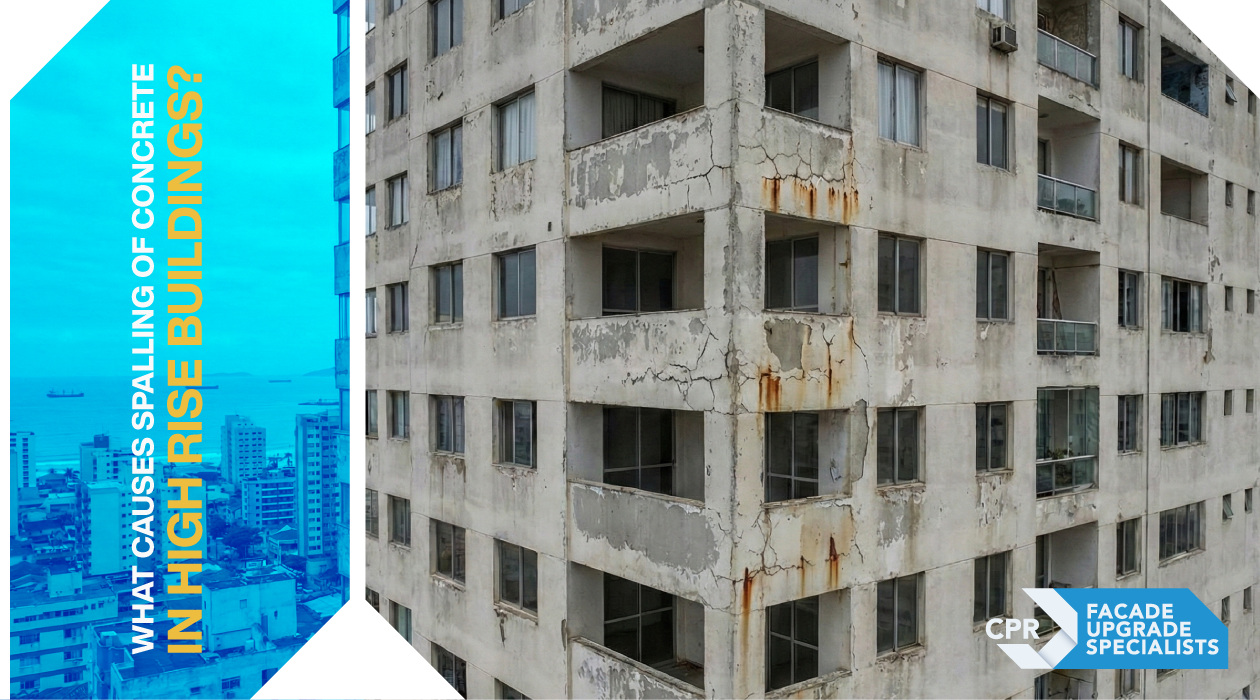
If you are responsible for a high-rise building, noticing chunks of concrete breaking away from balconies, columns, or facades can be genuinely unsettling. Concrete spalling is not just a cosmetic issue — it is a visible warning sign of deeper structural stress that, if ignored, can lead to escalating repair costs, safety risks, and regulatory pressure. Understanding what causes spalling of concrete in high rise buildings is the first step toward protecting both your asset and the people who live or work within it.
For strata committees, this often triggers anxiety about special levies, resident complaints, and whether past repairs were done properly. For building managers and consultants, the concern is different but just as real: safety, compliance, and defensible decision-making. The good news is that spalling is predictable, explainable, and preventable when addressed early with the right inspection methodology and long-term strategy.
Understanding Concrete Spalling in High-Rise Buildings
Concrete spalling refers to the breaking, flaking, or chipping of concrete surfaces, typically exposing internal steel reinforcement. In high-rise buildings, this process accelerates due to height-related exposure, wind-driven rain, coastal environments, and temperature variation across elevations.
Spalling of concrete in high-rise buildings is rarely caused by a single factor. It is usually the result of multiple mechanisms acting together over time, slowly weakening the building envelope until damage becomes visible.
The Core Causes of Concrete Spalling
Reinforced Concrete Corrosion
One of the most common causes of concrete spalling is reinforced concrete corrosion. Steel reinforcement (rebar) is embedded in concrete to provide strength. When this steel begins to corrode, it expands. That expansion creates internal pressure, cracking the surrounding concrete and eventually forcing it to break away.
This is not sudden failure. It is progressive deterioration — which means early detection can dramatically reduce long-term costs.
Steel Rebar Corrosion Explained
Steel rebar corrosion occurs when protective conditions inside the concrete are compromised. Concrete is naturally alkaline, which protects steel. Once that alkalinity drops, corrosion begins.
Two primary mechanisms drive this loss of protection:
- Carbonation of concrete
- Chloride-induced corrosion
Carbonation of Concrete: A Silent Threat
Carbonation of concrete happens when carbon dioxide from the air penetrates the concrete and reacts with calcium hydroxide. This chemical reaction lowers the concrete’s pH level.
In high-rise buildings, carbonation progresses faster on elevated facades due to:
- Increased wind exposure
- Greater drying cycles
- Thinner concrete cover in older construction
Once carbonation reaches the steel reinforcement, corrosion begins — even without visible water ingress.
Chloride-Induced Corrosion in High-Rise Structures
Chloride-induced corrosion is particularly aggressive and is common in:
- Coastal buildings
- Structures exposed to marine spray
- Buildings near major roadways where airborne salts accumulate
Chlorides penetrate the concrete and directly attack the steel reinforcement, breaking down its protective layer. This form of corrosion can advance rapidly, leading to severe concrete deterioration if not identified early.
Moisture Penetration in Concrete
Water is a key catalyst for almost every form of concrete deterioration. Moisture penetration in concrete occurs through:
- Cracks
- Failed sealants
- Poorly detailed joints
- Aging coatings
In high-rise buildings, moisture pathways are often vertical and interconnected, meaning damage in one area can affect multiple levels. Persistent moisture enables corrosion, freeze-thaw damage, and chemical reactions that accelerate spalling.
Freeze-Thaw Damage in Concrete
Although less frequent in many Australian climates, freeze-thaw damage in concrete can still affect high-rise buildings in cooler regions or shaded elevations.
When water enters concrete pores and freezes, it expands. Repeated cycles create internal micro-cracking, which eventually leads to surface spalling. Once cracking exists, other deterioration mechanisms accelerate.
Poor Concrete Workmanship and Construction Defects
Poor Concrete Workmanship
Many cases of concrete spalling trace back to poor concrete workmanship during original construction. Common issues include:
- Inadequate compaction
- Incorrect concrete mix
- Insufficient curing time
These defects reduce concrete density, making it more permeable to air and water — a long-term vulnerability that may not become visible for decades.
Inadequate Concrete Cover
Inadequate concrete cover means there is insufficient concrete thickness protecting the steel reinforcement. This is particularly common in older high-rise buildings or those built under outdated standards.
Thin cover allows carbonation and chlorides to reach steel much faster, significantly increasing the risk of spalling.
Structural Concrete Defects in High-Rise Buildings
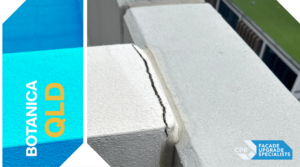
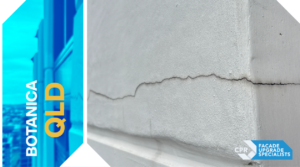
Structural concrete defects such as cracking from movement, thermal stress, or differential settlement also contribute to spalling. While concrete is strong in compression, it is weak in tension. Once cracks form, they become direct pathways for moisture and contaminants.
In tall buildings, even minor movement can create stress concentrations that accelerate deterioration if left unmanaged.
Why Concrete Spalling Is More Severe in High-Rise Buildings
High-rise buildings experience conditions that low-rise structures simply do not:
- Greater wind-driven rain exposure
- Increased UV degradation of coatings
- Higher maintenance complexity
- Limited access for inspection
This is why concrete maintenance in high-rise buildings requires specialised access systems and a structured inspection methodology — not reactive patch repairs.
Prevention of Concrete Spalling: A Strategic Approach
Early Detection Through Accurate Inspection
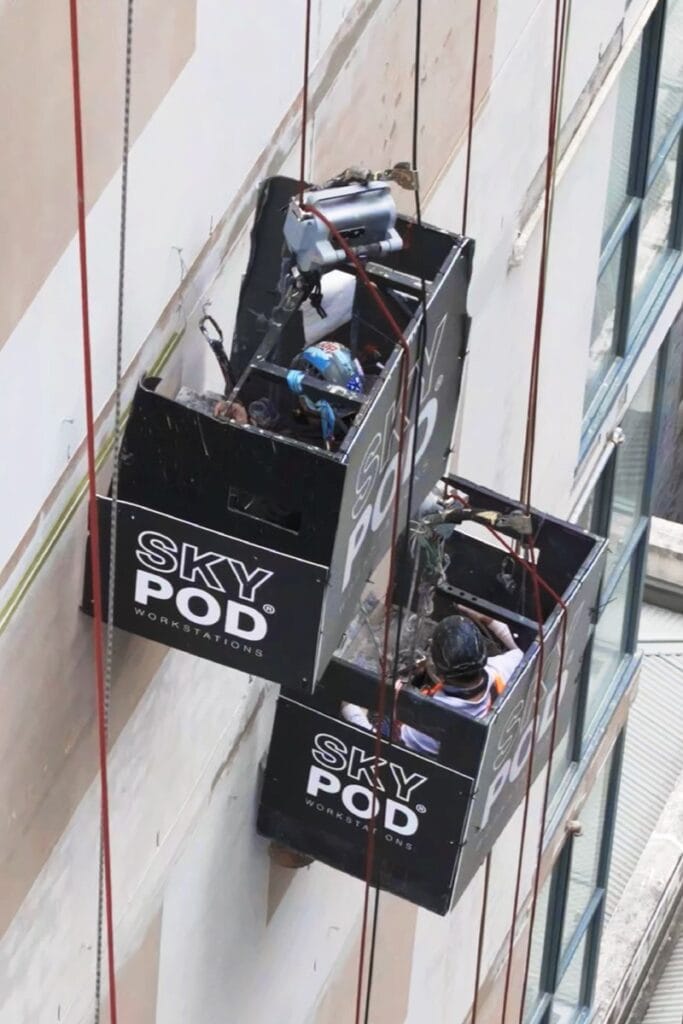
The prevention of concrete spalling starts with knowing exactly where deterioration exists and how far it has progressed. CPR’s Scaffold-Free™ inspection approach uses proprietary access systems such as SkyPod®, MARS™, and PEARS®, allowing close-up inspection of every elevation — which means for you, no assumptions, no missed defects, and no inflated scopes.
All inspection data is captured and structured within AIMMS™, CPR’s integrated inspection and asset management system — which means for you, full transparency, traceable decisions, and a long-term digital record of your building’s condition.
Long-Term Remediation, Not Short-Term Patching
Spalling repairs should never be viewed as isolated fixes. Through AssetCare™, CPR designs remediation strategies that extend the service life of concrete elements for decades — which means for you, cost savings over time, fewer special levies, and predictable maintenance planning.
Why Scaffold-Free™ Access Changes the Equation
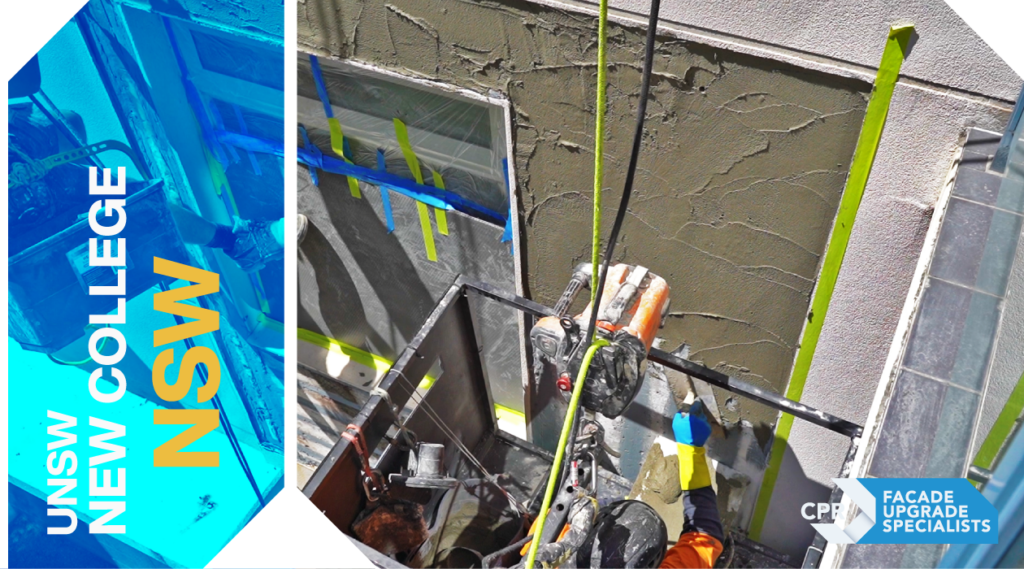
Traditional access methods often limit inspection quality or drive up costs before remediation even begins. CPR’s Scaffold-Free™ systems reduce disruption, improve safety, and significantly cut access-related expenditure — delivering cost savings of up to 30% in many projects.
That efficiency is delivered through Accredited Service Partners™ working under strict quality assurance protocols, with every step documented inside AIMMS™ — which means for you, defensible compliance and peace of mind.
When to Act: The Cost of Waiting
Concrete spalling never improves on its own. Left untreated, it leads to:
- Escalating repair scopes
- Increased safety risk
- Regulatory exposure
- Higher long-term costs
Early intervention guided by accurate data is always more affordable than emergency remediation.
Take the Next Step with Confidence
If you are seeing signs of concrete spalling — or simply want certainty — booking a professional building facade inspection is the smartest first step. CPR’s remedial consultancy focuses on clarity, transparency, and long-term value.
- Book a professional facade inspection via CPR’s building facade inspection service
- Speak directly with a consultant through CPR’s contact team to request an AIMMS™ demonstration or tailored advice