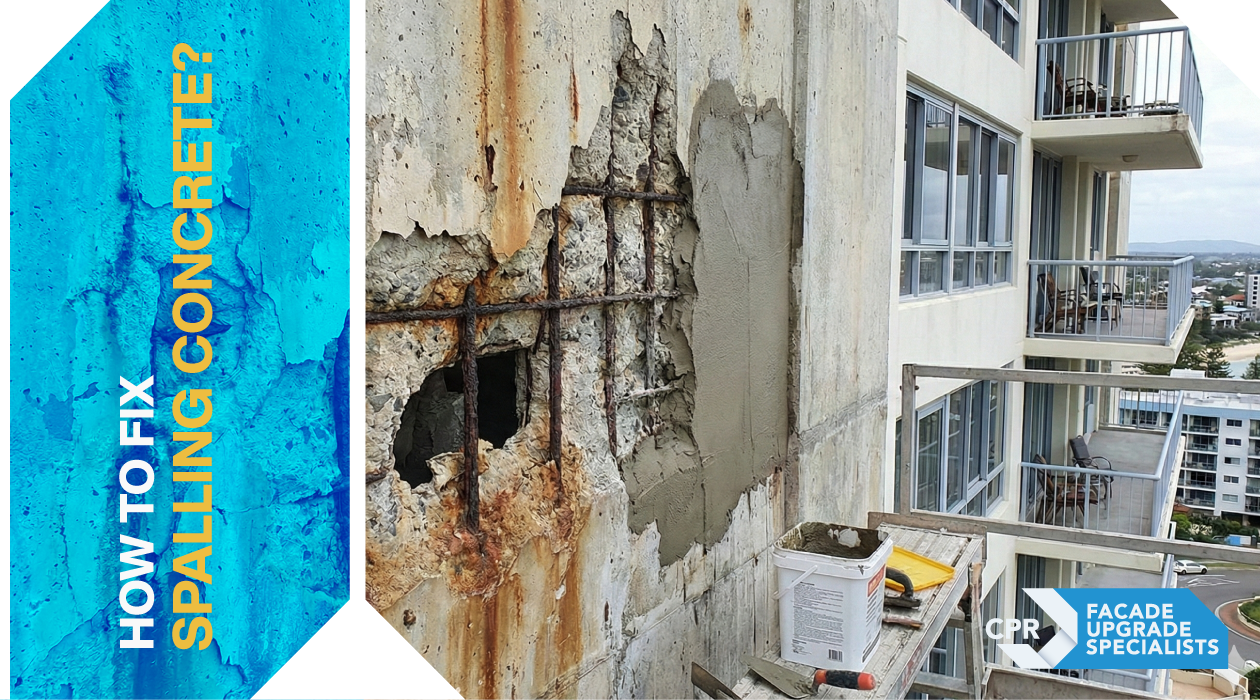
How to fix spalling concrete? is one of the most common – and most stressful – questions strata committees, building managers, and consultants ask when concrete starts breaking away from a building facade.
If you are seeing flaking, cracking, or chunks of concrete falling from balconies, columns, slabs, or external walls, you are not alone. Spalling concrete is a widespread issue across Australia’s ageing building stock, particularly in coastal environments and high‑rise structures. Left untreated, it can escalate quickly into safety risks, compliance issues, and significant financial exposure.
This guide explains how to fix spalling concrete properly, why it happens, and how CPR delivers long‑term, Scaffold‑Free™ solutions using AIMMS™, which means for you clearer decisions, controlled costs, and peace of mind.
What is spalling concrete and why does it matter?
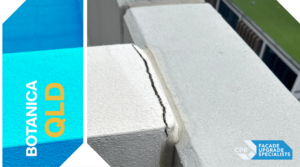
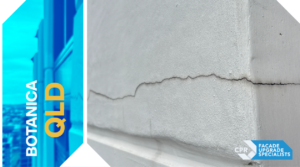
Spalling concrete occurs when the surface of concrete breaks away, flakes, or delaminates. While it may start as a cosmetic issue, it often signals deeper structural problems – especially in facade elements exposed to weather, moisture, and corrosion.
For strata committees, spalling concrete often raises immediate concerns:
- Is this dangerous for residents or pedestrians?
- How much is this going to cost?
- Will this turn into a major, disruptive project?
Those concerns are valid. Spalling concrete is not just a surface defect; it is a durability issue that affects the lifespan and value of the entire building.
Causes of concrete spalling you should not ignore
Understanding the causes of concrete spalling is critical before deciding how to fix it.
Reinforcement corrosion
When steel reinforcement inside concrete corrodes, it expands. This internal pressure causes the surrounding concrete to crack and eventually spall.
Water ingress and moisture exposure
Cracks, failed membranes, or poor detailing allow water to penetrate concrete. Over time, moisture accelerates corrosion and weakens the concrete matrix.
Carbonation
Carbonation reduces the alkalinity of concrete, removing its natural protection for steel reinforcement and triggering corrosion.
Poor original workmanship
Inadequate cover to reinforcement, low‑quality concrete, or poor curing during construction can all lead to premature concrete damage.
Environmental exposure
Coastal salt spray, pollution, and temperature fluctuations increase the risk of concrete damage repair requirements, particularly on high‑rise facades.
Identifying the true cause is essential. Treating symptoms without addressing the root issue almost guarantees repeat failures.
How to fix spalling concrete: why patching alone often fails
Many buildings attempt quick fixes using a basic concrete patching compound. While this may look acceptable short‑term, it rarely delivers durable results.
Patching without proper investigation can:
- Trap moisture behind repairs
- Accelerate reinforcement corrosion
- Lead to recurring cracks and further spalling
True concrete spalling repair requires a systematic approach that treats both the damaged concrete and the underlying cause.
Spalled concrete repair steps that actually work
A proper approach to spalled concrete repair steps follows a proven sequence.
Step 1: Detailed facade assessment with AIMMS™
CPR begins every project using AIMMS™, our proprietary inspection and asset intelligence system. This creates a precise, traceable understanding of the facade condition – which means for you no guesswork, no inflated scopes, and no hidden surprises.
Each defect is mapped, quantified, and prioritised so decisions are based on data, not assumptions.
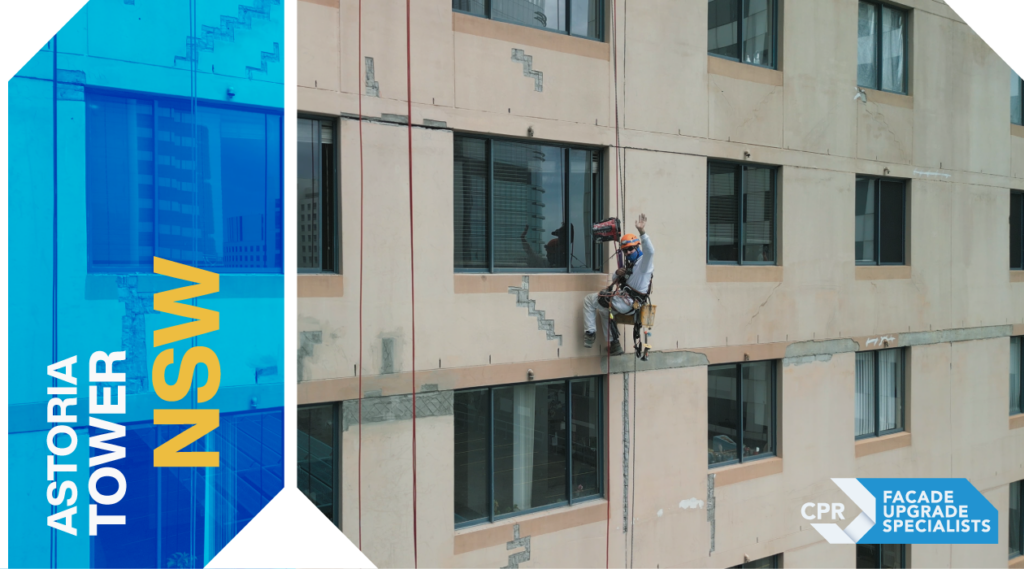
Step 2: Safe access without scaffolding
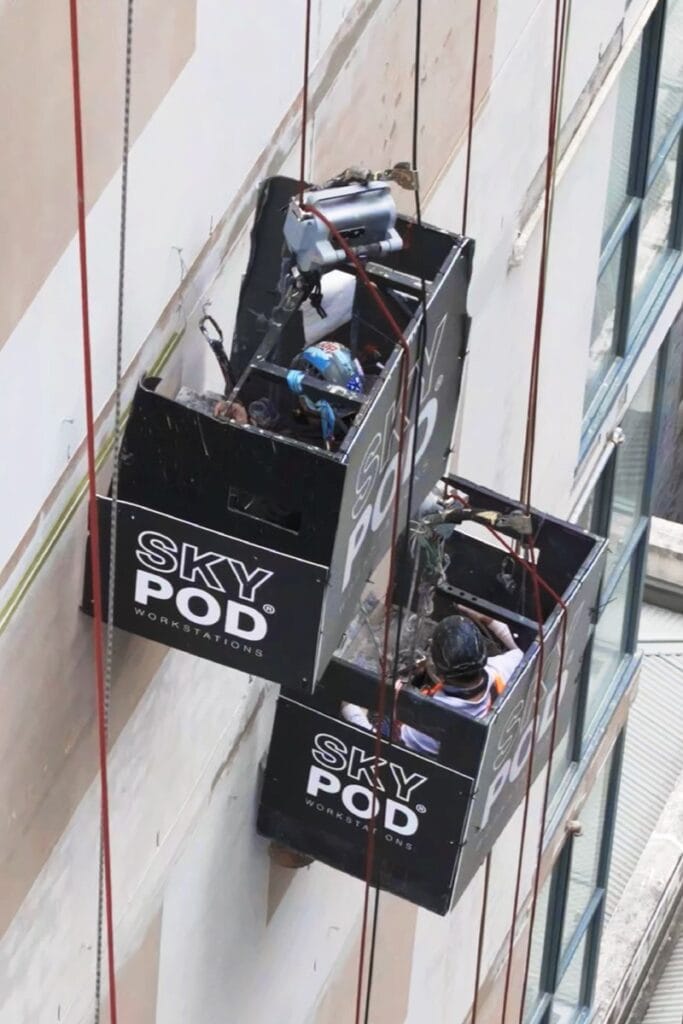
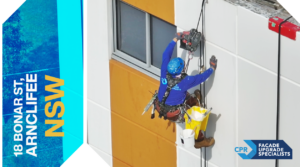
Using Scaffold‑Free™ access, including SkyPod®, MARS™, and PEARS®, our teams reach every part of the facade safely and quietly – which means for you minimal disruption to residents, no blocked footpaths, and significant cost savings compared to traditional scaffolding.
Step 3: Removal of unsound concrete
All loose, delaminated, and damaged concrete is carefully removed to expose sound substrate and reinforcement.
Step 4: Treating reinforcement corrosion
Steel reinforcement is cleaned and treated with corrosion protection systems to prevent future expansion – which means for you longer‑lasting repairs and reduced lifecycle costs.
Step 5: Concrete repair mortar application
High‑performance concrete repair mortar is applied to restore structural integrity and profile. Repairs are engineered to match the building’s exposure conditions.
Step 6: Concrete surface repair and protection
Protective coatings or finishes are applied to complete the concrete surface repair, sealing the area against future moisture ingress.
Repairing concrete slabs, balconies, and high‑rise facades
Spalling affects more than walls. CPR regularly undertakes:
- Repairing concrete slabs on balconies and podiums
- Edge beam and soffit repairs
- Structural concrete damage repair on high‑rise facades
Because all works are completed externally using Scaffold‑Free™ systems, residents can remain in place throughout the project – which means for strata committees fewer complaints and smoother approvals.
Concrete resurfacing vs targeted concrete restoration
Not every building requires full concrete resurfacing. AIMMS™ allows CPR to differentiate between:
- Localised repairs
- Progressive deterioration zones
- Facades requiring broader concrete restoration strategies
This targeted approach often delivers up to 30% cost savings by repairing only what is necessary – which means for you responsible use of funds and better long‑term outcomes.
Prevent concrete spalling before it becomes a crisis
The most affordable repair is the one you do not have to repeat.
Preventative strategies include:
- Early defect identification with AIMMS™
- Timely concrete repair methods
- Protective coatings and moisture control
- Ongoing facade monitoring via AssetCare™
Preventative maintenance protects capital value and avoids emergency works that strain strata budgets.
Why Scaffold‑Free™ concrete repair delivers better value
Traditional scaffolding drives up costs, prolongs timelines, and disrupts occupants. CPR’s Scaffold‑Free™ methodology changes that.
Key benefits:
- Faster mobilisation and completion
- Reduced project overheads
- Improved safety outcomes
- Quiet, unobtrusive works
Which means for you predictable programs, controlled costs, and fewer headaches.
Trust, transparency, and proof – not promises
CPR backs every recommendation with evidence:
- Award‑recognised facade remediation projects
- Documented case studies showing multi‑decade performance
- Video testimonials from strata committees and building managers
- Accredited Service Partners™ delivering consistent quality
Every repair is documented within AIMMS™, creating a permanent digital record – which means for you defensible decisions and full transparency.
When should you act on spalling concrete?
If spalling concrete is visible, action should not wait. Early intervention reduces scope, lowers cost, and minimises risk.
Whether you are a strata committee seeking peace of mind or a consultant needing technical certainty, the first step is understanding the true condition of your facade.
Final thoughts: how to fix spalling concrete the right way
Fixing spalling concrete is not about patching symptoms. It is about understanding the asset, treating the cause, and delivering durable, multi‑decade solutions.
With Scaffold‑Free™ access, AIMMS™, and AssetCare™, CPR provides clarity, control, and confidence – which means for you safer buildings, protected budgets, and long‑term value.