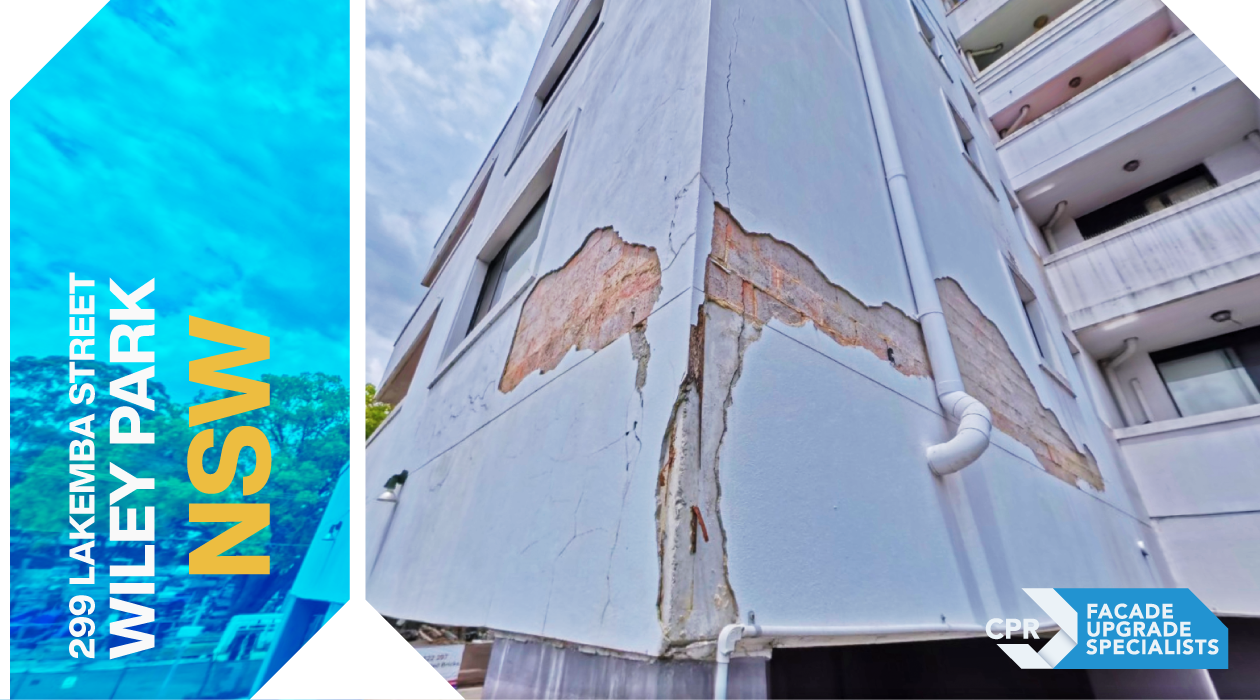
Is concrete spalling dangerous? That’s one of the most common — and most serious — questions strata committees, building managers, and consultants ask when cracks, flaking concrete, or rust stains start appearing on a building façade. And it’s a fair concern.
Is concrete spalling dangerous? In short: yes, it can be — not just to the structure itself, but to people, budgets, and long‑term asset value if it’s ignored or poorly managed.
This article explains what concrete spalling really means, why it happens, the concrete spalling safety risks involved, and how modern, data‑driven remediation delivers peace of mind without cost blowouts or unnecessary disruption.
What Is Concrete Spalling?
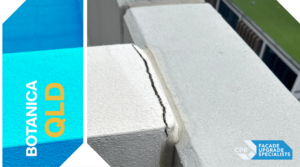
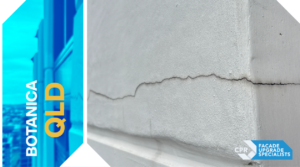
Concrete spalling is a form of concrete deterioration where the surface of concrete breaks, flakes, or delaminates, often exposing the steel reinforcement (rebar) inside. You’ll typically see:
- Chunks or flakes of concrete falling away
- Cracks running along slabs, beams, or balconies
- Rust stains bleeding through the surface
- Loose or hollow‑sounding concrete
Spalling in reinforced concrete is especially concerning because once steel reinforcement is exposed, corrosion accelerates — and damage compounds quickly.
Is Concrete Spalling Dangerous in Buildings?
Yes. Concrete spalling is dangerous when it’s left untreated or underestimated.
From a building safety perspective, spalled concrete hazards fall into three main categories:
- Public safety risks
- Structural damage
- Escalating financial exposure
Let’s break these down.
Concrete Spalling Safety Risks to People
Loose or delaminated concrete can detach without warning. In mid‑rise and high‑rise buildings, this creates real risks:
- Falling concrete striking pedestrians
- Balcony edge failures
- Unsafe common areas
- Emergency council notices or exclusions
These concrete spalling safety risks are why councils and insurers increasingly treat spalling as a risk issue, not just a cosmetic defect.
From a strata committee’s point of view, this is where anxiety often begins — nobody wants to be responsible for preventable harm.
Structural Damage from Concrete Spalling
Spalling isn’t just surface‑level damage.
When moisture and oxygen reach reinforcement steel, corrosion causes the steel to expand. That internal pressure cracks surrounding concrete, leading to:
- Progressive loss of load‑bearing capacity
- Reduced bond strength between steel and concrete
- Localised failures spreading across slabs and façades
Over time, structural damage from concrete spalling can compromise balconies, beams, columns, and façade panels — particularly in coastal or high‑exposure environments.
Common Causes of Concrete Spalling
Understanding the causes of concrete spalling helps prevent panic — and poor decisions.
Carbonation
Carbonation lowers concrete’s alkalinity, removing protection from steel reinforcement and triggering corrosion.
Water Ingress
Persistent moisture from failed joints, membranes, or cracks accelerates concrete deterioration.
Chloride Attack
Salt exposure (coastal air, de‑icing salts) penetrates concrete and corrodes rebar.
Poor Original Construction
Insufficient cover to reinforcement, poor compaction, or low‑quality concrete increases long‑term risk.
Thermal Movement
Expansion and contraction can open micro‑cracks that allow moisture ingress over time.
Signs of Concrete Spalling You Should Never Ignore
Early identification reduces risk and cost. Key signs of concrete spalling include:
- Rust staining on façades or balcony edges
- Cracking with hollow‑sounding concrete
- Pieces of concrete on the ground below
- Exposed rebar concrete spalling
- Water leaks through slabs or walls
If these signs appear, delay almost always means higher remediation costs later.
Concrete Spalling Health Risks
Beyond obvious physical danger, concrete spalling health risks can include:
- Airborne dust during uncontrolled deterioration
- Mould growth linked to water ingress
- Stress and anxiety for residents and committee members
Buildings are long‑term living environments. Safety isn’t optional — it’s foundational.
Why ‘Patch and Paint’ Is Not a Solution
One of the biggest mistakes strata committees make is approving short‑term fixes.
Superficial patching may hide symptoms temporarily, but it doesn’t address:
- Ongoing corrosion
- Moisture pathways
- Hidden delamination
This is how minor spalling becomes a major, multi‑million‑dollar problem.
Spalled Concrete Repair Methods That Actually Work
Effective concrete spalling repair requires methodical, evidence‑based intervention.
True spalled concrete repair methods involve:
- Accurate identification of all affected areas
- Removal of unsound concrete
- Treatment or replacement of corroded reinforcement
- Structural reinstatement using compatible materials
- Long‑term protection against future deterioration
This is not guesswork. It’s engineering.
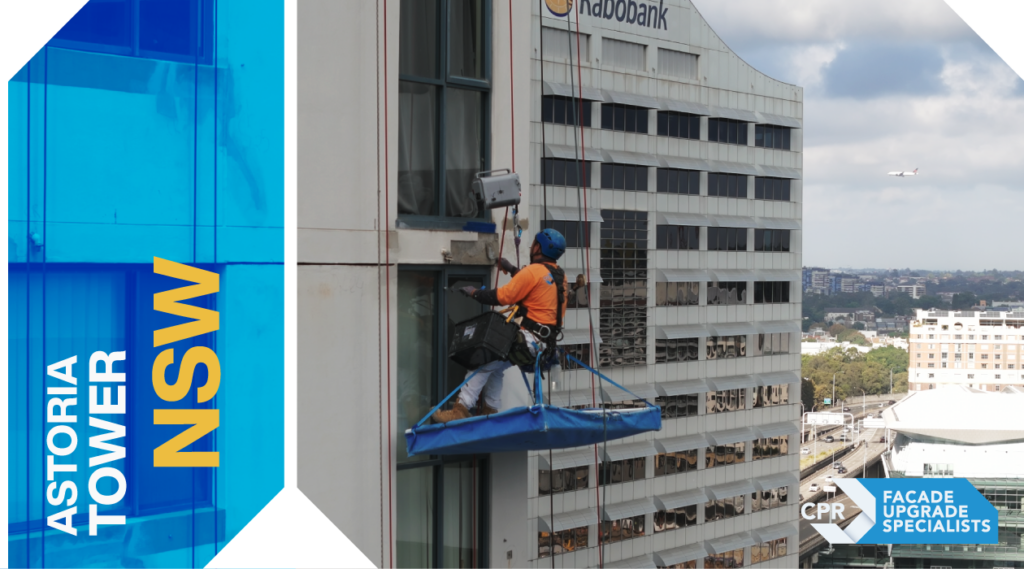
How CPR Manages Concrete Spalling Safely and Affordably
At CPR, concrete spalling is treated as a risk management exercise, not a cosmetic task.
Our approach combines Scaffold‑Free™ access with AIMMS™, which means for you:
- Precise identification of every spalling zone
- Quantified scopes — no hidden extras
- Transparent records of every repair
- Reduced disruption to residents
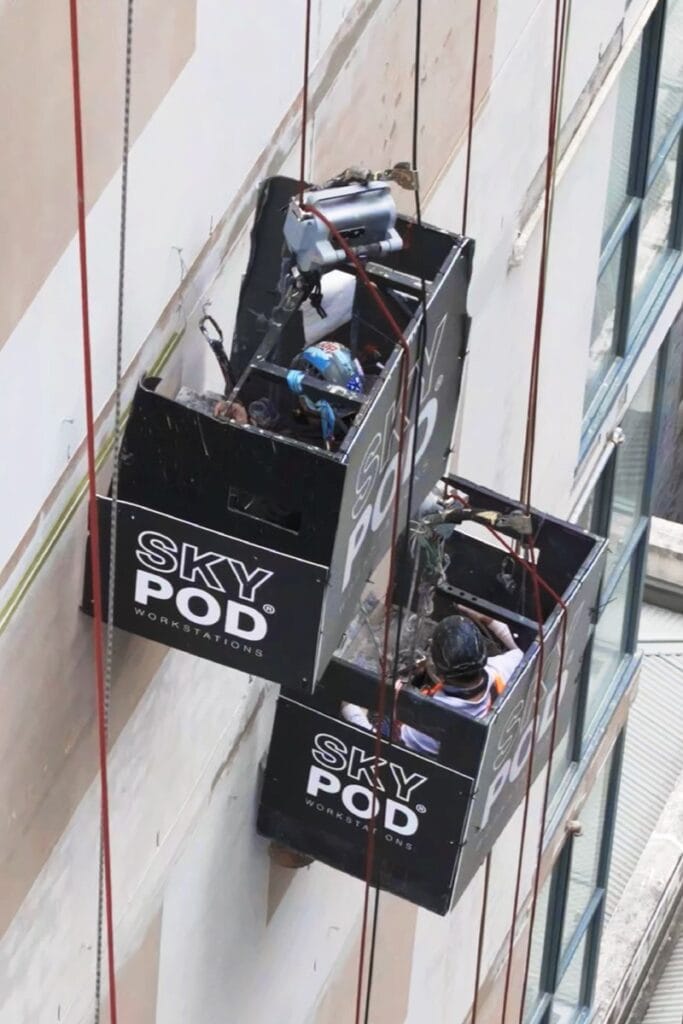
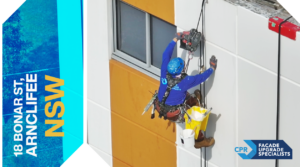
Using SkyPod®, MARS™, and PEARS® systems, works are completed externally — which means for you no scaffolding, no blocked balconies, and significant cost savings.
Projects commonly achieve up to 30% cost savings, simply by eliminating scaffold‑related inefficiencies.
AIMMS™: Why Data Changes Everything
AIMMS™ is CPR’s integrated assessment and management system.
It creates a detailed, traceable record of:
- Concrete spalling locations
- Severity and repair methodology
- Before‑and‑after photographic evidence
Which means for you:
- Confidence when presenting to owners
- Defensible decisions for insurers
- A permanent record protecting future committees
Transparency builds trust — and removes fear.
Prevention: The Smartest Way to Reduce Risk
Concrete spalling prevention is always more affordable than emergency repairs.
Planned inspections, targeted remediation, and ongoing AssetCare™ programs:
- Extend façade life by decades
- Reduce unplanned levies
- Protect property value
This is how buildings move from reactive spending to strategic preservation.
What Strata Committees Need to Hear
If you’re a committee member, you’re likely worried about:
- Cost blowouts
- Resident complaints
- Making the wrong call
Concrete spalling is dangerous — but unmanaged spalling is far more dangerous.
The right partner removes uncertainty and replaces it with clarity.
What Building Managers and Consultants Need to See
Professionals need:
- Safe methodologies
- Minimal disruption
- Defensible data
Scaffold‑Free™ remediation supported by AIMMS™ delivers efficiency, traceability, and measurable outcomes — without introducing unnecessary risk.
Take the Next Step with Confidence
If concrete spalling has been identified on your building, the smartest next step isn’t panic — it’s precision.
Book a consultation with CPR to understand your risk profile, request an AIMMS™ demonstration, or download a practical remediation resource.