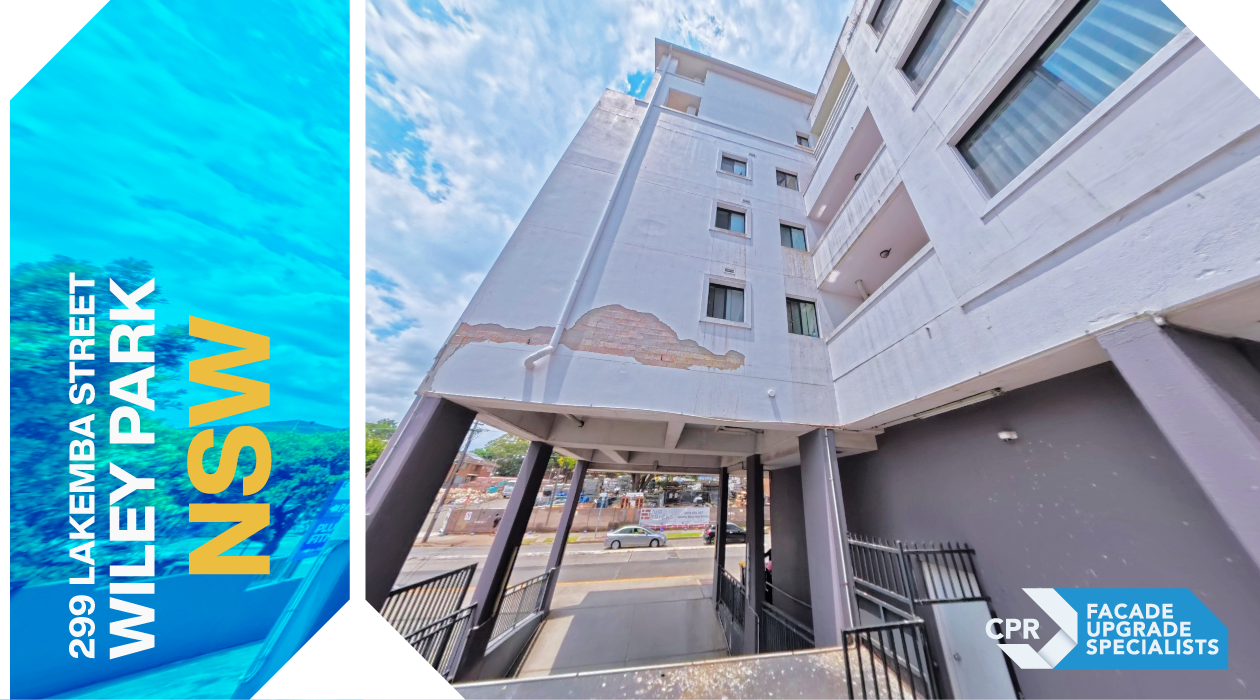
How to prevent concrete spalling is one of those questions that usually comes up after something worrying has already been spotted—a crack that wasn’t there before, rust stains creeping down the facade, or small pieces of concrete breaking away.
If that sounds familiar, you’re not alone. Most strata committees and building managers we speak to arrive with the same concerns:
- Is this serious, or just cosmetic?
- Are we about to face a massive bill?
- And how do we fix this without turning the building into a construction site for months?
This article explains how to prevent concrete spalling properly—not with quick patches that look fine for a year or two, but with a practical, long-term approach suited to high-rise and difficult-access buildings across Australia.
We’ll walk through what actually causes concrete spalling, what prevention really looks like in the real world, and how CPR’s Scaffold-Free™ remediation supported by AIMMS™ helps building owners move forward with confidence instead of guesswork.
👉 If you want to see how prevention and durability work together in practice, CPR’s guide to concrete repairs and long-term durability for building facades is a good place to start.
What is concrete spalling — and why it shouldn’t be ignored
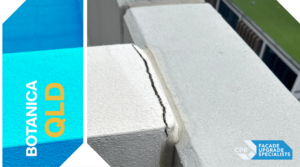
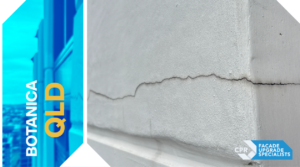
Concrete spalling happens when the surface of the concrete starts to crack, flake, or fall away, often revealing rusting steel underneath. It’s easy to dismiss early signs as wear and tear, but spalling rarely stays small.
Once it begins, it can lead to:
- Falling debris and safety risks
- Water entering deeper into the structure
- Accelerated concrete deterioration
- Increasing repair costs over time
For strata committees, that usually means anxiety about safety, liability, and special levies. For building managers and consultants, it raises red flags around compliance, risk management, and long-term asset performance.
Preventing concrete spalling isn’t about keeping a building looking neat—it’s about protecting the structure, the people in it, and the value of the asset over decades.
The real causes of concrete spalling (and why quick fixes don’t last)
Before talking about prevention, it’s important to understand the causes of concrete spalling—because this is where many repair strategies fall short.
Moisture damage in concrete
Water is almost always the starting point. Moisture finds its way through cracks, joints, and porous concrete until it reaches the steel reinforcement inside. Once that happens, corrosion begins.
Reinforced concrete corrosion
When steel reinforcement corrodes, it expands—sometimes up to seven times its original size. That internal pressure pushes outward, cracking and breaking the surrounding concrete.
Carbonation and ageing facades
Over time, exposure to air pollution reduces concrete’s natural alkalinity. This process, known as carbonation, removes the protection around the steel and makes corrosion more likely—especially in older buildings.
Construction methods of the past
Many buildings constructed decades ago simply weren’t designed with modern protective coatings, sealing systems, or long-term durability in mind. Without intervention, concrete deterioration becomes inevitable.
This is why surface patching alone rarely works. True concrete spalling prevention means addressing the underlying conditions, not just the visible damage.
How to prevent concrete spalling before it becomes a major repair
Start with a complete understanding of the facade
Effective prevention starts with one thing: knowing exactly where risk exists and why. Concrete spalling rarely appears everywhere at once—it starts in specific locations driven by exposure, moisture pathways, and steel corrosion.
CPR uses AIMMS™, our proprietary inspection and remediation management system, to assess the entire facade for defects, moisture ingress, corrosion risk, and future failure points.
Which means for you: clear priorities, accurate scope, and no unnecessary repairs.
By identifying where spalling is likely to occur next, preventative work can be targeted early—before damage becomes structural, dangerous, or expensive.
For strata committees and building managers, an AIMMS™-led facade consultation helps answer the key prevention questions upfront: what needs action now, what can be sealed or protected, and what simply needs monitoring to avoid future spalling.
Concrete crack prevention and moisture control that actually works
Closing the pathways water uses
Concrete crack prevention is largely about stopping water and oxygen from reaching steel reinforcement.
This may include:
- Crack injection systems that allow for facade movement
- Targeted concrete sealing methods
- Joint repairs that manage thermal expansion
Done properly, these measures significantly reduce moisture damage in concrete, slowing corrosion before it gains momentum.
Protective coatings for concrete facades
Modern protective coatings for concrete don’t just sit on the surface. They’re designed to repel water while allowing the building to breathe.
When specified correctly, they:
- Reduce chloride penetration
- Improve concrete durability
- Extend the life of repairs
Which means for you: fewer repeat repairs, more predictable budgets, and less disruption over time.
Spalling concrete treatment: making repairs last
Prevention doesn’t replace repair—it makes repairs effective.
Where damage already exists, proper spalling concrete treatment must deal with both what you can see and what you can’t.
A durable concrete spalling repair typically includes:
- Removing contaminated concrete
- Treating or replacing corroded steel
- Using repair mortars compatible with the existing structure
- Applying protective coatings as part of a complete system
Without this system-based approach, repairs often fail prematurely—and the cycle starts again.
Why access method matters more than most people realise
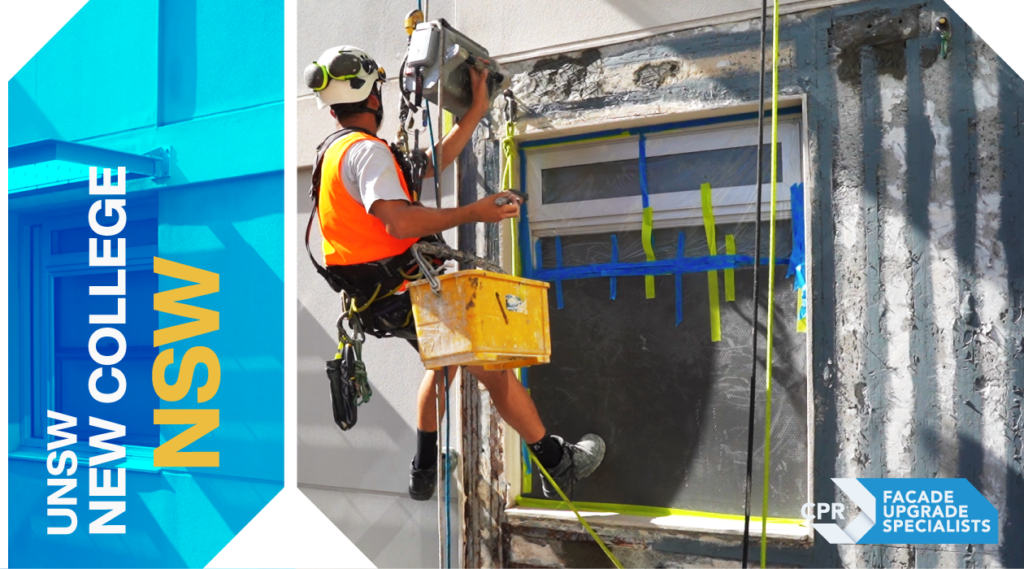
Traditional scaffolding can drive up costs, extend timelines, and limit inspection quality—especially on complex facades.
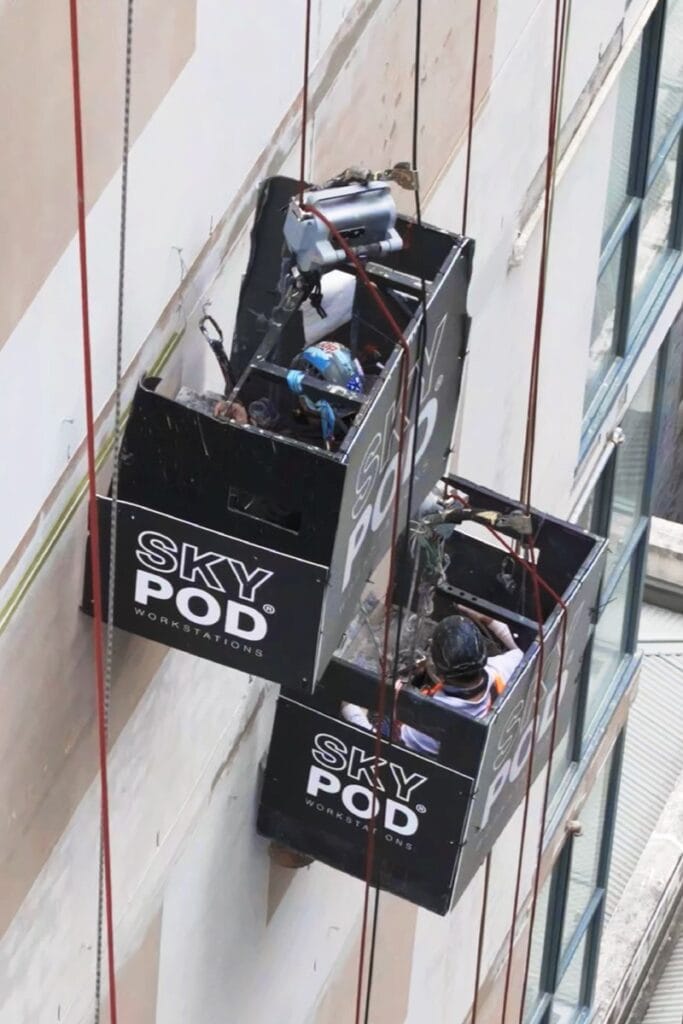
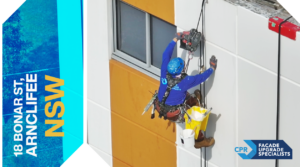
CPR’s Scaffold-Free™ access systems, including MARS™, PEARS®, and SkyPod®, allow technicians to reach and treat the entire facade without scaffolding.
Which means for you:
- Significant cost savings by removing scaffold hire
- Shorter, more efficient projects
- Less noise and disruption for residents
- Safer, quieter work at height
Just as importantly, Scaffold-Free™ access allows better prevention, because nothing is hidden or inaccessible.
Practical concrete maintenance tips for long-term protection
Waiting until something fails is the most expensive way to manage concrete.
Effective concrete maintenance tips for strata buildings include:
- Regular, planned facade inspections
- Early sealing of cracks and joints
- Timely renewal of protective coatings
- Ongoing condition tracking through AIMMS™
This shifts maintenance from crisis management to long-term asset care.
Concrete durability measured in decades, not promises
Real prevention isn’t measured by how good a repair looks on day one—it’s measured years later.
CPR’s focus on concrete durability combines:
- Accurate diagnosis
- System-based repair
- Protective treatments
- Long-term AssetCare™ planning
Which means for you: fewer special levies, steadier budgets, and confidence that today’s decisions won’t create tomorrow’s problems.
Trust, transparency, and real proof
The remediation industry has earned some scepticism. CPR addresses that with evidence, not marketing claims.
- Award-winning projects
- Hundreds of completed facade remediations
- Real video testimonials from strata committees
- Full transparency through AIMMS™ documentation
Everything is documented, visible, and accountable.
When prevention becomes the smartest move
Preventing concrete spalling is almost always more affordable—and far less stressful—than dealing with advanced structural damage.
Whether you’re seeing early warning signs or planning ahead, the smartest next step is informed consultation, not rushed repair.If you’re ready to move forward with clarity and confidence, you can book a facade consultation with CPR’s remediation specialists or request an AIMMS™ demonstration to see exactly how concrete spalling prevention can be planned, documented, and delivered with certainty.