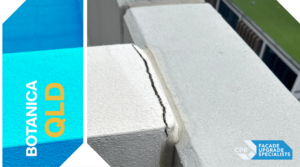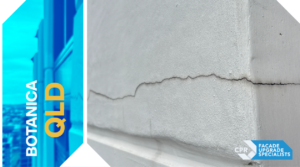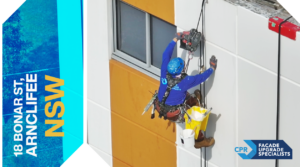
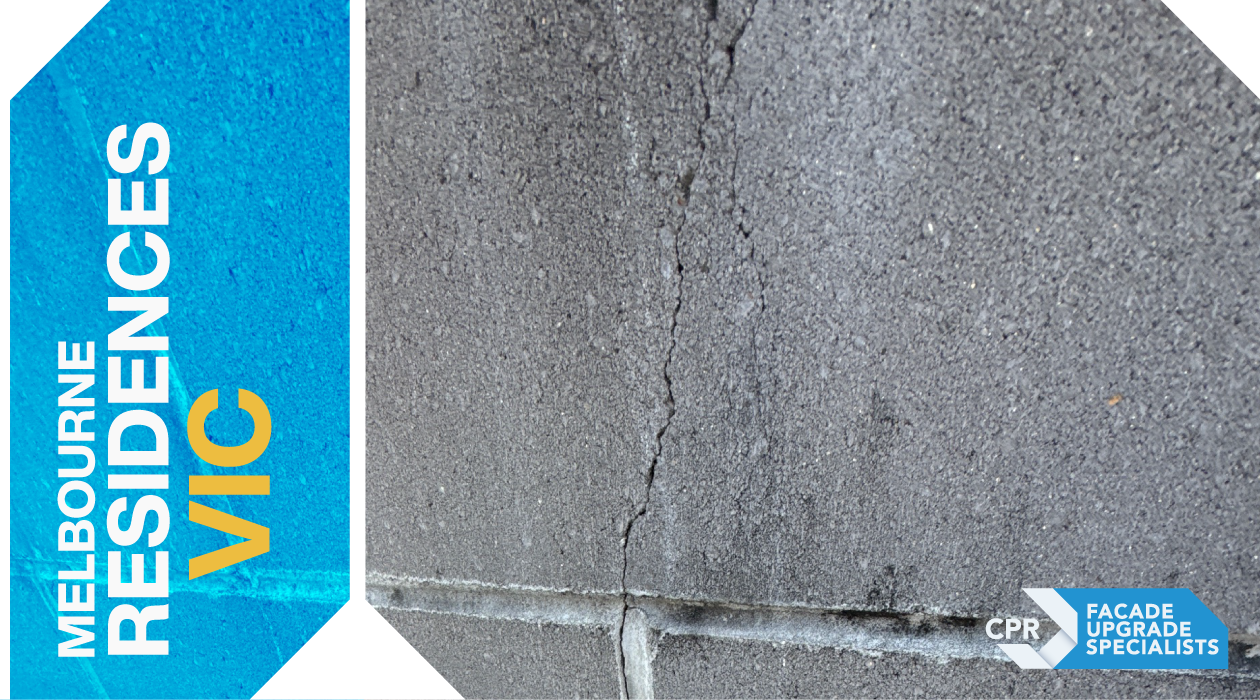
Can cracked concrete be repaired? This is one of the most common – and most worrying – questions strata committees, building managers, and consultants ask when cracks start appearing across a building’s concrete facade, slabs, or structural elements.
If you’re seeing cracks, it’s natural to worry about safety, escalating costs, resident complaints, and whether this is the start of a much bigger problem. The good news is that, in most cases, cracked concrete can be repaired. The key is understanding why the cracks exist, what type they are, and when professional intervention is essential.
This guide explains everything you need to know – from concrete crack causes and solutions, to modern concrete crack repair methods, costs, and when cracked concrete becomes dangerous. We’ll also show how CPR’s Scaffold-Free™ methodology, supported by AIMMS™, delivers clarity, cost savings, and long-term peace of mind for complex, high-rise, and difficult-to-access buildings.
Why concrete cracks in the first place
Concrete is strong, durable, and designed to last decades. But it is not immune to movement, moisture, and time. Understanding concrete crack causes and solutions starts with knowing what typically goes wrong.
Common causes of cracked concrete
Concrete cracking rarely comes from a single issue. More often, it’s a combination of factors acting over years.
- Thermal movement – Expansion and contraction from temperature changes can stress concrete, especially on exposed facades.
- Shrinkage during curing – As concrete dries, it naturally shrinks. If not properly controlled, cracks can form early.
- Water ingress – Moisture entering through microcracks accelerates deterioration and corrosion of steel reinforcement.
- Reinforcement corrosion – When steel rusts, it expands, forcing the concrete to crack and spall.
- Structural movement – Settlement, vibration, or load changes can create larger, progressive cracks.
- Poor original workmanship – Inadequate cover to reinforcement or incorrect mix design shortens lifespan.
Cracks are not always a sign of imminent failure – but ignoring them is one of the fastest ways to turn a manageable repair into a costly remediation.
Structural vs non structural concrete cracks
One of the most important distinctions is structural vs non structural concrete cracks. This determines risk, urgency, and repair approach.
Non structural concrete cracks
Non structural cracks typically affect appearance, weatherproofing, and long-term durability rather than immediate load capacity.
Examples include:
- Hairline shrinkage cracks
- Surface crazing
- Minor facade cracking
While these cracks may not threaten stability today, they allow water ingress, which means for you… higher maintenance costs, faster deterioration, and reduced asset life if left untreated.
Structural concrete cracks
Structural cracks are more serious and require expert assessment.
Warning signs include:
- Cracks wider than 3mm
- Stepped cracking following reinforcement lines
- Cracks that grow over time
- Rust staining or concrete spalling
Structural cracks can compromise load paths and safety, which means for you… increased liability, compliance risks, and potentially significant repair costs if action is delayed.
This is where professional concrete foundation crack repair and facade remediation expertise is essential.
Is cracked concrete dangerous?
A common question we hear is: is cracked concrete dangerous?
The honest answer is: sometimes.
- Minor, stable cracks may pose little immediate risk.
- Active or widening cracks, especially with corrosion or spalling, can create falling hazards and structural concerns.
For strata committees, the risk isn’t just physical safety. There’s also:
- Duty of care to residents and visitors
- Insurance implications
- Council or compliance exposure
- Reputational risk if issues escalate
Early assessment removes uncertainty, which means for you… confidence in decision-making rather than fear-driven reactions.
When to repair concrete cracks
Timing matters. Knowing when to repair concrete cracks can save hundreds of thousands over a building’s lifecycle.
You should act when:
- Cracks are visible and recurring
- Water ingress is present
- Rust staining appears
- Pieces of concrete sound hollow or “drummy”
- Residents start reporting leaks or debris
Delaying repairs rarely reduces costs. In most cases, it compounds them.
Concrete crack repair methods explained
There is no single fix for all cracks. Effective concrete crack repair methods depend on crack type, location, and underlying cause.
Epoxy injection for concrete cracks
Epoxy injection is commonly used for structural crack repair.
It involves injecting high-strength resin into cracks to restore integrity, which means for you… improved structural performance and long-term stability when correctly specified.
Flexible sealants and fillers
For non structural cracks, elastomeric fillers or sealants may be appropriate.
Choosing the best concrete crack filler depends on movement, exposure, and compatibility with existing materials, which means for you… better durability and reduced repeat repairs.
Patch repair and reinforcement treatment
Where cracks are associated with corrosion, concrete must be broken back, steel treated, and reinstated.
This addresses the root cause, which means for you… a multi-decade solution rather than a cosmetic patch.
Surface protection systems
Crack repair is often combined with protective coatings or membranes to prevent future moisture ingress, which means for you… extended asset life and lower long-term maintenance.
Repairing cracked concrete slabs and foundations
Repairing cracked concrete slabs and foundations requires particular care, especially in occupied buildings.
Foundation cracks can affect load distribution and waterproofing. Proper concrete foundation crack repair starts with understanding movement, soil conditions, and reinforcement layout – not guesswork.
This is where CPR’s Scaffold-Free™ access and AIMMS™ documentation provide real value, enabling precise diagnosis without invasive disruption.
DIY concrete crack repair vs professional concrete crack repair
Many people ask about DIY concrete crack repair. While small, cosmetic cracks may be treated temporarily, DIY solutions rarely address underlying causes.
Risks of DIY repairs
- Incorrect materials
- Trapped moisture
- Hidden corrosion
- No compliance documentation
For strata buildings, DIY fixes often fail audits and warranties, which means for you… wasted spend and repeated repairs.
Benefits of professional concrete crack repair
Professional concrete crack repair delivers:
- Accurate diagnosis
- Engineered solutions
- Compliance assurance
- Long-term warranties
Which means for you… certainty, transparency, and predictable outcomes.
Understanding concrete crack repair cost
Concrete crack repair cost varies significantly based on:
- Crack severity and extent
- Access difficulty
- Height and facade complexity
- Required protection systems
Traditional scaffolding can represent up to a significant portion of total project cost. CPR’s Scaffold-Free™ systems remove this overhead, which means for you… measurable cost savings without compromising quality or safety.
All works are documented within AIMMS™, providing full visibility of scope, methodology, and outcomes.
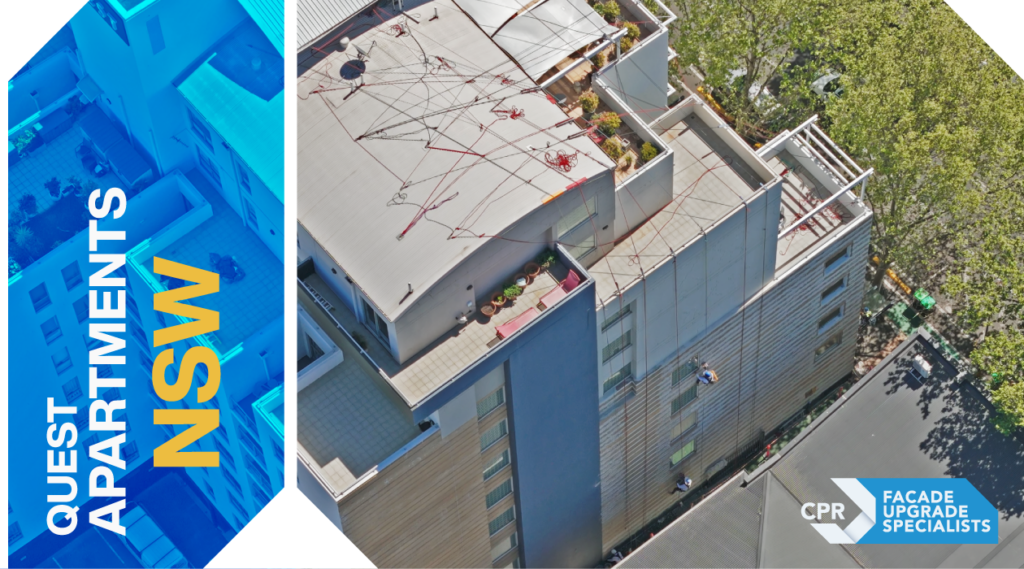
How CPR delivers smarter concrete crack repair
CPR specialises in high-rise and difficult-to-access concrete remediation across strata, commercial, government, and heritage buildings.
Our approach combines:
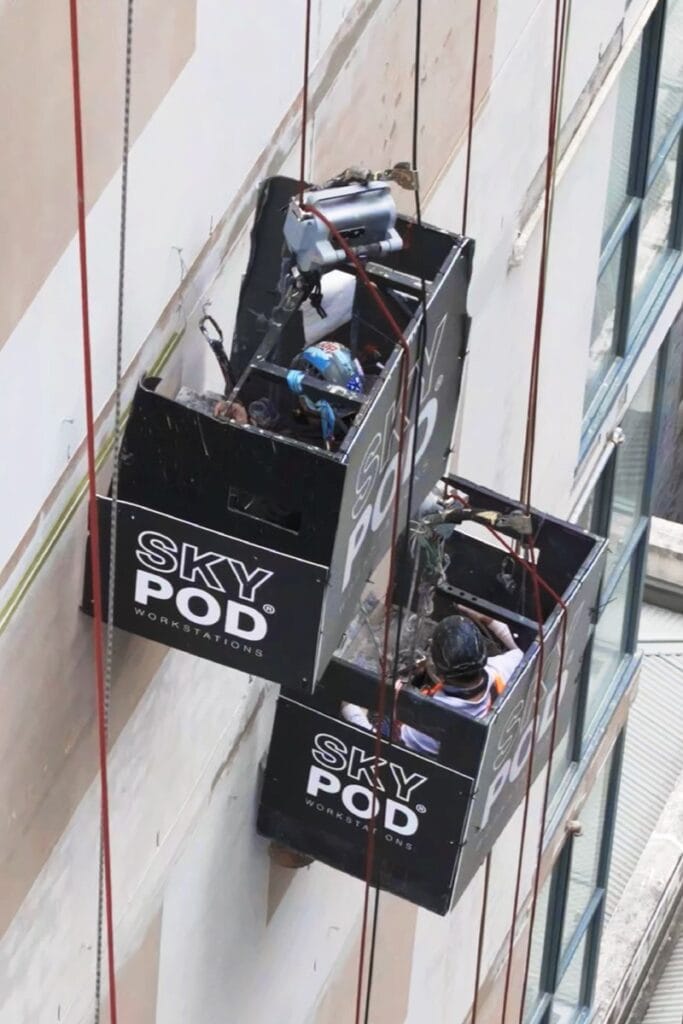
- Scaffold-Free™ access using MARS™, PEARS®, and SkyPod® – which means for you… faster mobilisation and minimal disruption.
- AIMMS™ documentation and quality assurance – which means for you… transparency, traceability, and confidence in every repair.
- Accredited Service Partners™ – ensuring consistent workmanship and safety standards.
- AssetCare™ strategies – protecting your investment over multiple decades.
This isn’t about patching cracks. It’s about preserving the building envelope properly.
Proof, not promises
CPR’s methodology is backed by:
- Award-winning projects
- Independent case studies
- Video testimonials from strata committees
- Measurable cost savings and reduced disruption
Every repair is photographed, logged, and verified within AIMMS™, which means for you… no grey areas, no surprises, and no disputes later.
Take the next step with confidence
If you’re asking can cracked concrete be repaired?, the answer is yes – when it’s assessed correctly and repaired with the right methodology.
The smartest next step is a professional consultation focused on facts, not fear.
Explore CPR’s concrete remediation solutions, request an AIMMS™ demonstration, or book a consultation through our concrete repairs and durability service to understand exactly what your building needs – and what it doesn’t.