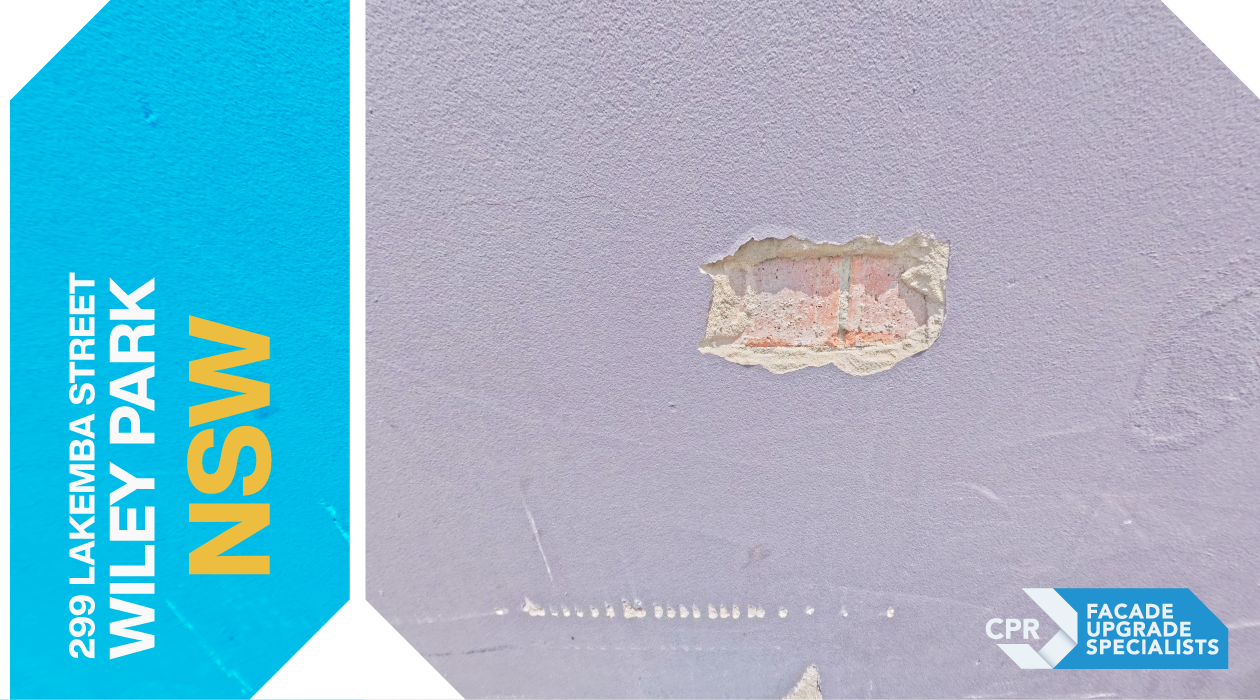
Who pays for concrete spalling? Navigating strata vs. lot owner liability in NSW & QLD is one of the most stressful questions strata committees and building managers face — and for good reason. Concrete spalling (often called concrete cancer) can escalate quickly, cost hundreds of thousands of dollars, and trigger heated disputes between owners, committees, and managers.
If you’re reading this, chances are you’re worried about cost blowouts, special levies, or being blamed for a problem you didn’t create. That anxiety is completely understandable. The rules are not always clear, and every building seems to have a slightly different story.
This guide explains who is responsible for concrete spalling in strata buildings, how liability works in NSW and QLD, and how a data-driven, Scaffold-Free™ approach can protect both your building and your budget.
What Is Concrete Spalling — and Why It Becomes a Liability Issue
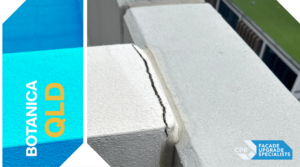
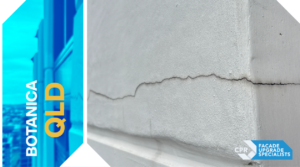
Concrete spalling occurs when moisture penetrates concrete, reaches embedded steel reinforcement, and causes it to corrode. As the steel expands, it cracks and breaks the surrounding concrete, leading to falling debris, exposed reinforcement, and structural risk.
From a liability perspective, spalling is rarely just a cosmetic issue. It is considered a building defect that affects safety, durability, and asset value — which is why determining concrete spalling responsibility matters so much.
Left untreated, spalling almost always worsens. That means higher repair costs, greater safety risk, and increased legal exposure for owners corporations and body corporates.
Who Pays for Concrete Spalling in Strata Buildings?
The short answer is: it depends on where the spalling occurs and what the strata legislation says.
The longer answer requires understanding how strata vs lot owner responsibility for concrete spalling is defined under state law.
Concrete Spalling Responsibility in NSW
In NSW, the Owners Corporation is generally responsible for maintaining and repairing common property under the Strata Schemes Management Act.
Owners Corporation Responsibility for Concrete Spalling (NSW)
In most cases, concrete spalling strata responsibility applies when the damage affects:
- External walls
- Balconies (structural components)
- Slabs, beams, columns
- Shared facade elements
This means the owners corporation responsibility for concrete spalling in NSW usually applies to facade-related spalling, even if it is visible from inside a lot.
Concrete cancer liability in NSW commonly falls on the Owners Corporation because the steel reinforcement and structural concrete are part of the common property.
When a Lot Owner May Be Responsible (NSW)
A lot owner may be responsible if:
- The spalling is caused by unauthorised works
- Waterproofing failures originate from lot-owner alterations
- Damage is isolated to non-structural, lot-owned finishes
These cases are far less common — but they do happen.
Concrete Spalling Responsibility in QLD
Queensland follows a similar principle, but terminology differs.
Body Corporate Responsibility for Concrete Spalling (QLD)
Under Queensland legislation, the body corporate responsibility for concrete spalling generally applies when damage affects:
- Structural elements
- External walls and facade systems
- Balconies forming part of the building structure
As in NSW, concrete cancer liability in QLD typically rests with the body corporate when spalling impacts common property.
Lot Owner Liability in QLD
Lot owner responsibility may apply where:
- The damage is directly caused by owner-installed fixtures
- There is clear evidence of negligent modifications
Again, these scenarios are the exception, not the rule.
Why So Many Disputes Happen Around Concrete Spalling
Disputes usually arise because:
- Spalling appears inside a lot but originates in common property
- Reports lack clarity or evidence
- Committees rely on assumptions instead of data
This is where projects derail — and where mistrust sets in.
How AIMMS™ Removes Guesswork and Disputes
Most arguments about who pays for building defects in strata come down to one issue: uncertainty.
CPR’s AIMMS™ (Asset & Infrastructure Maintenance Management System) replaces assumptions with evidence.
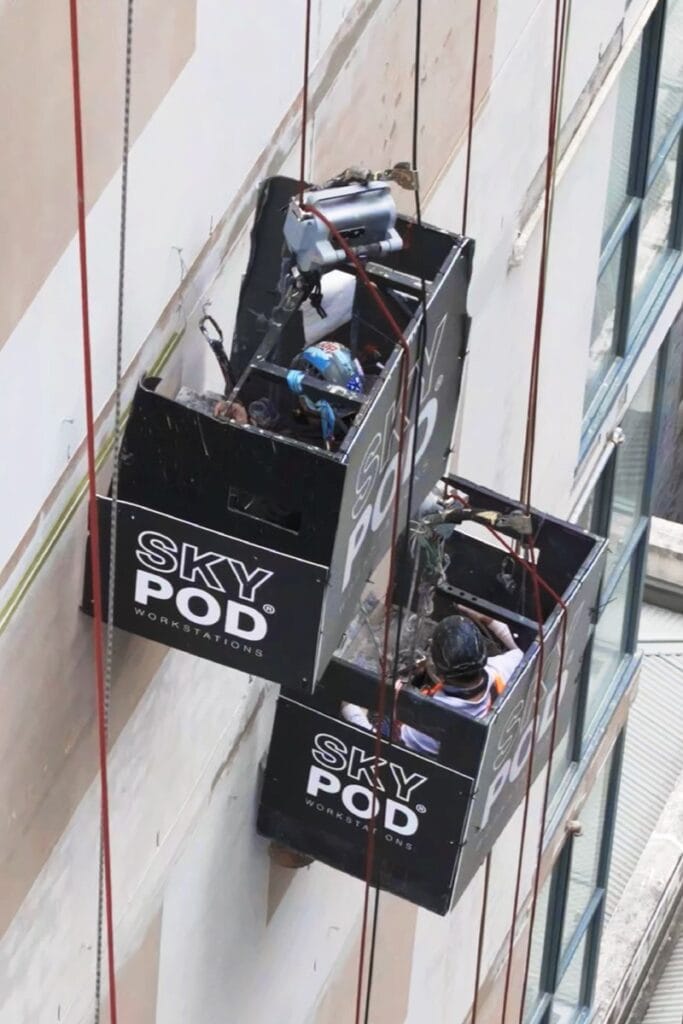
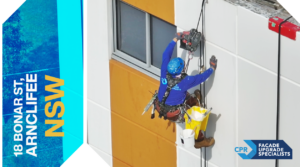
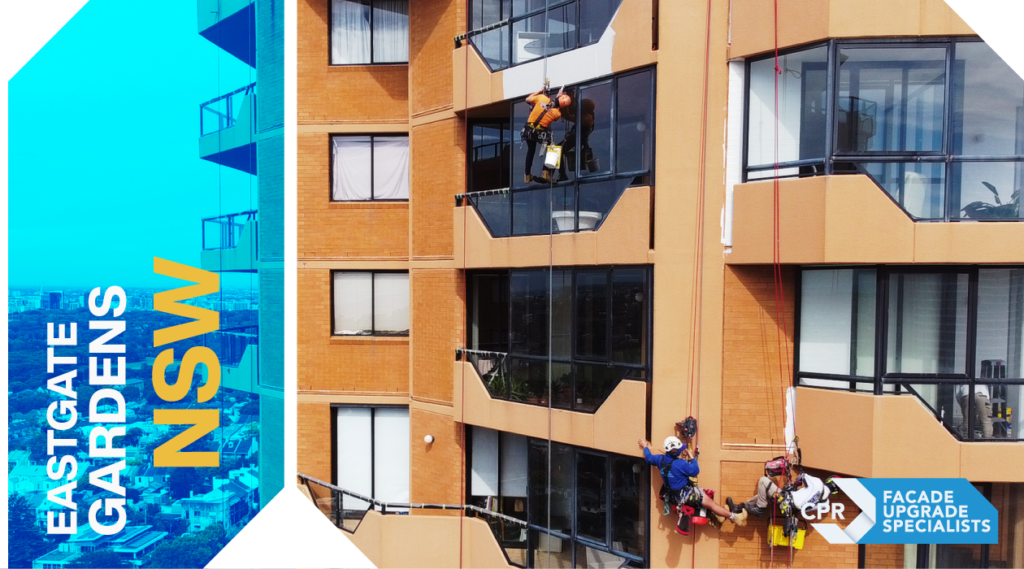
We combine Scaffold-Free™ access technologies — including MARS™, PEARS®, and SkyPod® — with detailed defect mapping and reporting.
This means:
- Every spalled area is physically inspected
- The origin of deterioration is documented
- Responsibility can be clearly identified
Which means for you: fewer disputes, clearer decisions, and defensible outcomes at meetings and tribunals.
Why Scaffold-Free™ Matters for Cost and Liability
Traditional scaffolding inflates costs and limits access, often forcing contractors to estimate rather than inspect.
CPR’s Scaffold-Free™ approach:
- Reduces project costs by up to 30%
- Allows targeted remediation through our concrete repair and durability strategy instead of blanket scopes
- Minimises disruption to residents
Which means for you: cost savings, safer works, and no unnecessary special levies.
Repairing Concrete Spalling the Right Way
Understanding concrete spalling repair responsibility is only half the equation. The real risk is repairing it poorly.
CPR delivers long-term concrete remediation designed to last decades — not patch jobs that fail in a few years.
Our remediation services integrate seamlessly with broader concrete repairs and durability strategies, ensuring the root cause is treated, not just the symptoms. This approach aligns with CPR’s long-term concrete repairs and durability services, designed to extend facade life and reduce repeat intervention.
For buildings where spalling intersects with facade systems or cladding, remediation may also involve facade cladding remediation or replacement to ensure compliance, safety, and long-term performance.
Peace of Mind for Committees. Certainty for Managers.
For strata committees, this process delivers peace of mind — clear answers, controlled costs, and confidence that the building is protected.
For building managers and consultants, it delivers efficiency, safety, and transparent reporting backed by data.
That’s the difference between guessing — and knowing.
Take the Next Step with Confidence
If your building is showing signs of concrete spalling, the worst move is to delay or argue without evidence.
The smartest move is to request a CPR consultation or AIMMS™ demonstration and see exactly where responsibility lies — before costs escalate.
Explore CPR’s approach to concrete repairs and durability or learn how facade cladding remediation and replacement can protect your asset for decades.